Kelvingrove Museum Glasgow is Scotland’s most popular free visitor attraction and one of the finest civic art galleries in Europe. Officially known as Kelvingrove Art Gallery and Museum, this magnificent red sandstone building in Glasgow’s West End has been welcoming visitors since 1901, offering an extraordinary collection that spans art, natural history, archaeology, and design across 22 themed galleries displaying over 8,000 objects. Whether you are a first-time visitor to Glasgow or returning for another look at your favourite masterpiece, Kelvingrove is an essential part of any trip to the city.
What makes Kelvingrove Museum Glasgow truly special is its ability to surprise and delight visitors of all ages and interests. In a single visit, you can stand before a Salvador Dali masterpiece, gaze up at a real Spitfire suspended from the ceiling, come face to face with Sir Roger the Asian elephant, explore ancient Egyptian artefacts, and admire the work of Charles Rennie Mackintosh — all completely free of charge. This visitor guide covers everything you need to know to make the most of your time at this remarkable Glasgow museum.
The History of Kelvingrove Art Gallery and Museum
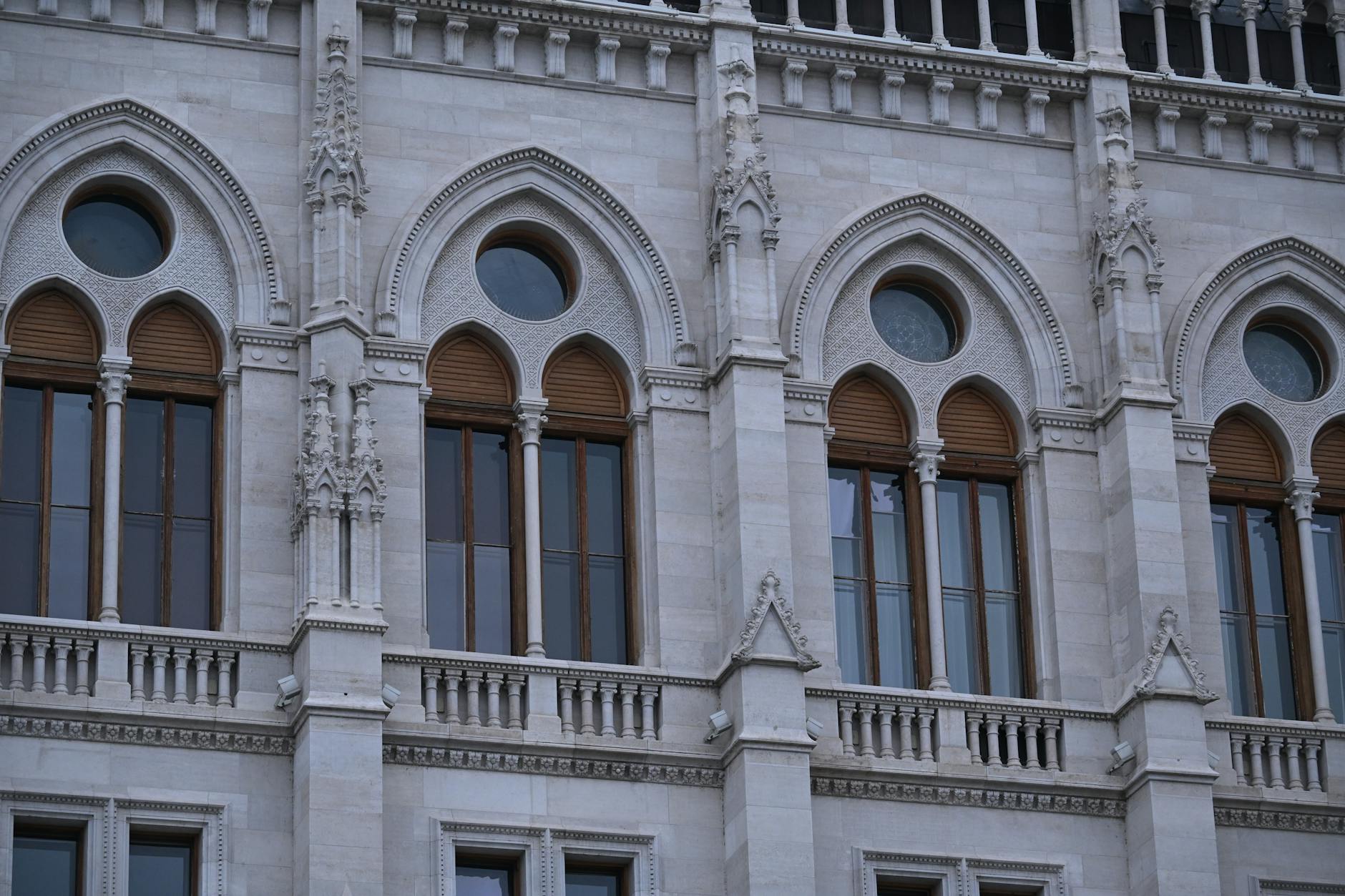
Kelvingrove Art Gallery and Museum was built between 1892 and 1901 to a design by architects John W. Simpson and E.J. Milner Allen, who won an international competition to create a building worthy of Glasgow’s growing art collection. Constructed from distinctive Locharbriggs red sandstone in a grand Spanish Baroque style, the building was originally intended as the main exhibition hall for the Glasgow International Exhibition of 1901, which attracted over 11 million visitors to Kelvingrove Park.
The museum’s construction was funded by the proceeds of the earlier 1888 Glasgow International Exhibition, and from the very beginning it was designed to be a public institution — a gallery and museum for the people of Glasgow and their visitors. This democratic spirit continues today in the museum’s free admission policy, which ensures that Kelvingrove’s treasures remain accessible to everyone regardless of their financial circumstances.
After more than a century of continuous use, the building underwent a major three-year restoration and refurbishment between 2003 and 2006, costing approximately thirty-five million pounds. The reopening in 2006 was a landmark moment for Glasgow, with the museum’s new layout and presentation winning widespread praise. Current restoration works that began in September 2025 are addressing historic stonework, roofing, and windows, though the museum remains fully open to visitors throughout this process.
Must-See Highlights at Kelvingrove Museum
Christ of St John of the Cross by Salvador Dali
Undoubtedly the most famous single work in Kelvingrove’s collection, Salvador Dali’s Christ of St John of the Cross has been one of the museum’s greatest treasures since Glasgow Corporation purchased it in 1952 for the then-controversial sum of eight thousand two hundred pounds. The painting depicts Christ on the cross viewed from above, floating over the bay of Port Lligat in Catalonia, and is remarkable for its unusual perspective and the absence of nails, blood, or a crown of thorns. The purchase was deeply controversial at the time, but the painting has since become one of the most reproduced and recognised religious artworks of the twentieth century, and is now estimated to be worth in excess of eighty million pounds.
Sir Roger the Asian Elephant
One of the most beloved exhibits in the entire museum, Sir Roger is a taxidermied Asian elephant who has been a fixture at Kelvingrove since the early twentieth century. From around 1885 until 1897, Sir Roger toured the country with Bostock and Wombwell’s Menagerie, often pulling a small wagon from town to town. He eventually came to the Scottish Zoo in Glasgow before his death and subsequent preservation. Standing in the main hall, Sir Roger is usually the first thing visitors see upon entering the museum, and generations of Glasgow children have grown up with fond memories of visiting him. The elephant has become an unofficial mascot of the museum and is one of its most photographed objects.
The Spitfire
Suspended dramatically from the ceiling of the West Court, the LA198 Spitfire is one of the most striking exhibits in Kelvingrove Museum. This Mark 21 Spitfire, built in 1944 and fitted with a Rolls Royce Griffon 61 engine and a distinctive five-bladed propeller, flew with the 602 City of Glasgow Squadron between 1947 and 1949. The aircraft’s presence in the museum is a powerful tribute to Scotland’s contribution to the Second World War effort and to the brave men and women of the Royal Air Force. Seeing a full-sized fighter aircraft hanging in the air above you is a genuinely breathtaking experience that never fails to make an impression on visitors of all ages.
Charles Rennie Mackintosh and the Glasgow Style
A dedicated gallery explores the work of Glasgow’s most famous architect and designer, Charles Rennie Mackintosh, and the broader Glasgow Style movement that flourished around the turn of the twentieth century. The centrepiece is the stunning gesso panel ‘The Wassail’, created by Mackintosh for the Ingram Street Tearooms and now carefully preserved behind glass. The gallery also features furniture, textiles, metalwork, and architectural drawings by Mackintosh and his contemporaries, including his wife Margaret Macdonald Mackintosh, offering a comprehensive overview of a design movement that put Glasgow at the forefront of European art nouveau.
The French Impressionists and European Masters
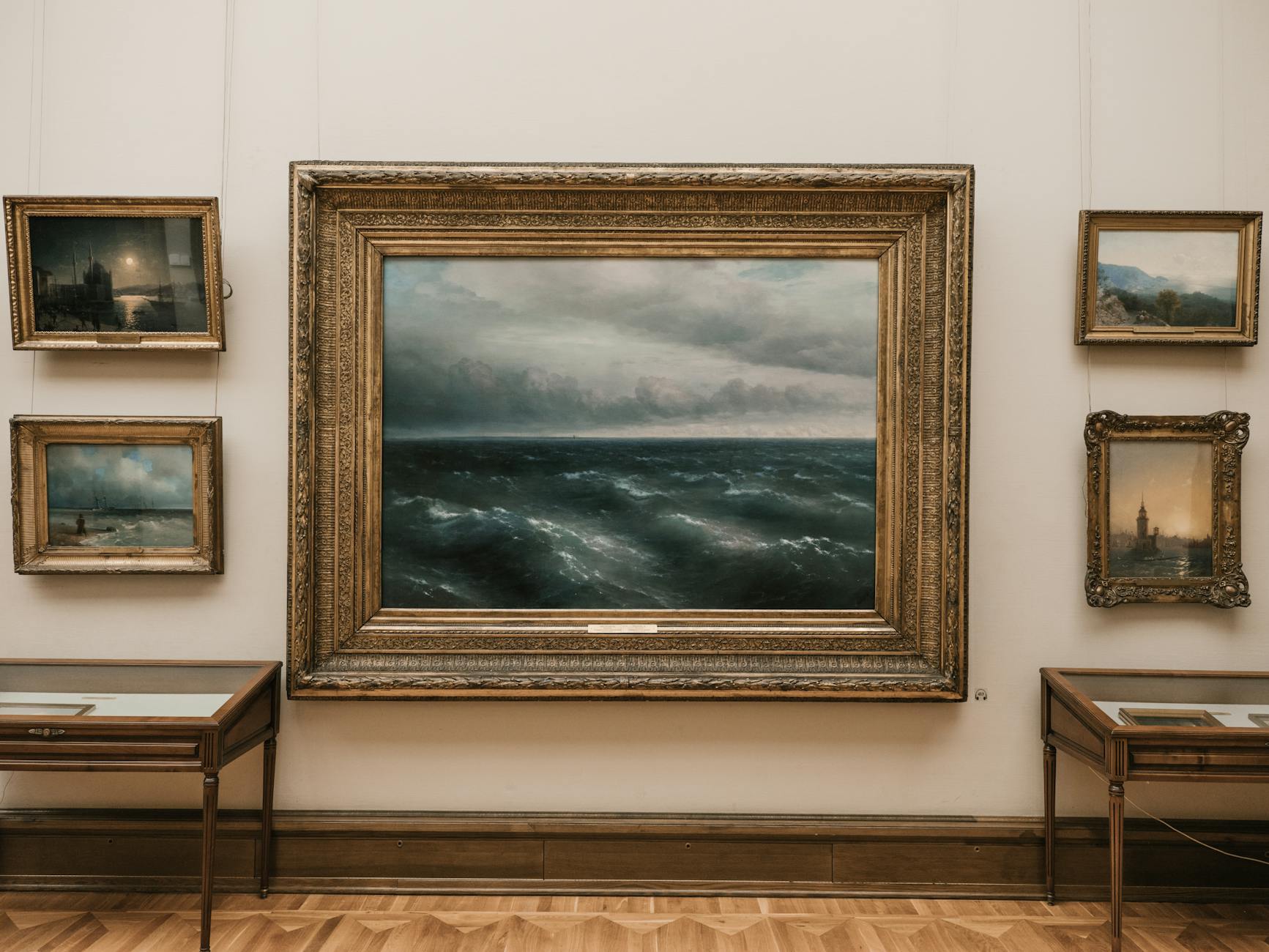
Kelvingrove’s fine art collection is outstanding by any international standard, with particular strength in French Impressionist and Post-Impressionist painting. Works by Claude Monet, Pierre-Auguste Renoir, Paul Gauguin, and Vincent van Gogh hang alongside Old Masters including Rembrandt’s ‘Man in Armour’ and Titian’s ‘Christ and the Adulteress’. The Scottish art collection is equally impressive, featuring major works by the Glasgow Boys — a group of late nineteenth-century painters who revolutionised Scottish art — and the Scottish Colourists, whose vibrant canvases brought the colours of France to the landscapes of Scotland.
Exploring Kelvingrove’s 22 Galleries
Kelvingrove’s galleries are organised into two broad themes. The Life galleries occupy one half of the building and cover natural history, human history, and prehistory, while the Expression galleries house the fine art collections and explore the creative achievements of Glasgow and the wider world.
Life Galleries: Natural History and Beyond
The natural history galleries are a particular highlight for families and younger visitors. The wildlife displays include animals from every continent, presented in carefully crafted settings that bring the natural world to life. The geology gallery explores Scotland’s remarkable geological heritage, from ancient fossils to volcanic landscapes, while the archaeology displays include an impressive collection of ancient Egyptian artefacts, including a mummy case and everyday objects that illuminate life along the Nile thousands of years ago.
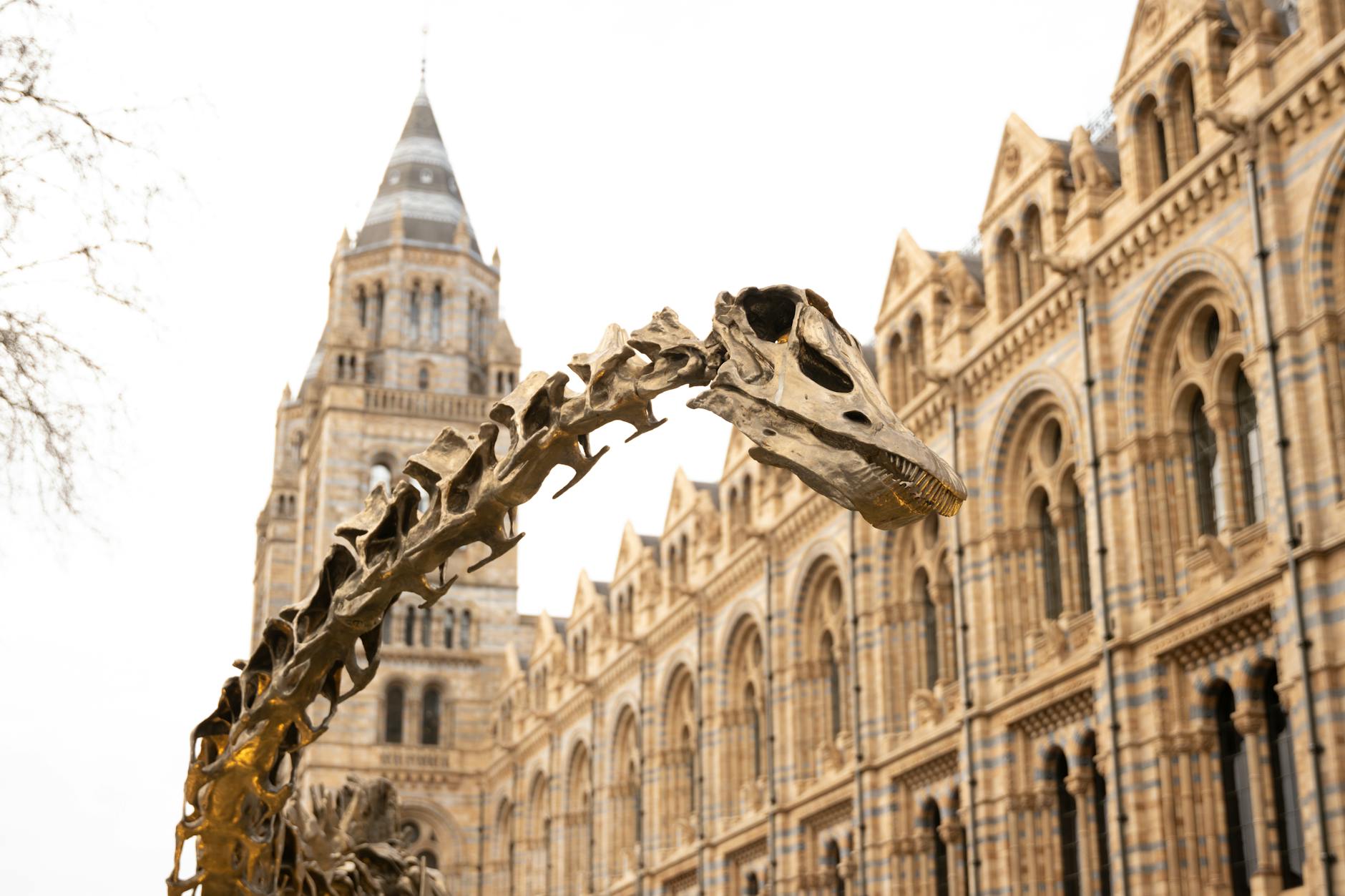
The Scottish history and identity galleries trace the story of Scotland from the earliest human habitation through the medieval period, the age of empire, and into the modern era. These displays place Glasgow’s own story within the wider context of Scottish and British history, and include significant artefacts relating to the city’s industrial past, its shipbuilding heritage, and the waves of immigration that have shaped its diverse and multicultural character.
Expression Galleries: Art and Creativity
The Expression galleries are where Kelvingrove’s world-class art collection is displayed to full advantage. Beyond the headline works by Dali, Rembrandt, and the French Impressionists, these galleries contain an extraordinary range of paintings, sculptures, decorative arts, and design objects. The Dutch and Flemish galleries feature outstanding seventeenth-century works, the modern and contemporary galleries showcase Scottish art from the mid-twentieth century onwards, and the Arms and Armour gallery houses a remarkable collection of medieval and Renaissance weapons and armour, including the famous Avant armour — one of the oldest surviving suits of plate armour in the world.
The design galleries explore the relationship between art and everyday life, with displays covering furniture, ceramics, textiles, and jewellery from around the world. The emphasis throughout is on making art accessible and relevant to visitors who may not consider themselves art lovers — a philosophy that has always been central to Kelvingrove’s identity as a museum for everyone.
The Kelvingrove Organ Recitals
One of the most magical experiences at Kelvingrove Museum is attending a recital on the magnificent organ that dominates the central hall. This extraordinary instrument dates from the museum’s opening in 1901 and was built by Lewis and Company of London. After a comprehensive restoration in 2006, the organ was returned to full working order, and free recitals are now held regularly throughout the week.
The recitals typically last around thirty minutes and feature a varied programme of music ranging from classical masterpieces to popular favourites and film soundtracks. The experience of hearing this powerful instrument fill the soaring space of the central hall, with Sir Roger the elephant standing silently below and the Spitfire suspended overhead, is one of those uniquely Glasgow moments that visitors remember long after they have left the city. Check the museum’s website or ask at the information desk for current recital times — they are free to attend and no booking is required, though arriving a few minutes early is advisable to secure a good seat.
Practical Information for Visiting Kelvingrove Museum Glasgow
Opening Hours
Kelvingrove Art Gallery and Museum is open every day of the year except Christmas Day and New Year’s Day. Standard opening hours are Monday to Thursday and Saturday from 10am to 5pm, with slightly later opening on Friday and Sunday from 11am to 5pm. Last entry is approximately thirty minutes before closing. These hours can occasionally change for special events or public holidays, so it is always worth checking the Glasgow Life website before your visit.
Admission and Tickets
Entry to Kelvingrove Museum and all its permanent galleries is completely free, making it one of the best free things to do in Glasgow. No advance booking is required for the permanent collection — simply turn up during opening hours and walk in. Some temporary exhibitions and special events may require tickets, which can be purchased online or at the museum. Donations are welcomed and help support the museum’s ongoing work.
Getting to Kelvingrove Museum
Kelvingrove is located at Argyle Street in Glasgow’s West End, within Kelvingrove Park. The nearest Glasgow Subway station is Kelvinhall, approximately half a mile from the museum entrance — a pleasant walk through the park. Partick railway station and Exhibition Centre station are both roughly one mile away. Several bus routes stop directly outside the museum on Argyle Street, including services 2, 3, and 77. If you are walking from the city centre, the journey takes approximately twenty-five minutes via Sauchiehall Street and Kelvin Way.
Parking at Kelvingrove is limited, particularly during the current restoration works which have closed spaces on the west side of the building. On-street parking is available in the surrounding area, though it can be difficult to find during busy periods. The museum strongly recommends using public transport or walking where possible.
How Long to Spend at Kelvingrove
Most visitors recommend allowing between two and four hours to explore Kelvingrove Museum properly. If you are particularly interested in art or natural history, you could easily spend a full day exploring every gallery. For a focused visit hitting the main highlights — the Dali painting, Sir Roger, the Spitfire, the Mackintosh gallery, and the organ recital — around two hours should be sufficient. Families with younger children will find plenty to engage them for at least two to three hours, with the natural history galleries and interactive displays being particular favourites.
Facilities
The museum has excellent visitor facilities including a cafe serving hot and cold meals, sandwiches, cakes, and drinks, with seating overlooking the park. The museum shop offers a wide range of gifts, books, prints, and souvenirs related to the collections. Clean and well-maintained toilets are located on each floor, and the museum is fully wheelchair accessible with lifts providing access to all public areas. Pushchairs and prams are welcome throughout the building. Free cloakroom facilities are available for bags and coats.
Visiting Kelvingrove Museum with Children
Kelvingrove is one of the most family-friendly museums in Scotland, and children of all ages will find plenty to captivate their imagination. The natural history galleries are perennially popular with younger visitors, who are drawn to the animal displays, the dinosaur fossils, and the opportunity to press buttons and interact with exhibits. Sir Roger the elephant and the Spitfire both tend to make an immediate impression on children, and the discovery centres scattered throughout the galleries offer hands-on activities and puzzles.
The museum runs a regular programme of family events, workshops, and holiday activities, many of which are free. These range from art and craft sessions to storytelling, treasure hunts, and themed workshops tied to current exhibitions. Check the events section of the Glasgow Life website for current listings. For families visiting Glasgow with children, combining a morning at Kelvingrove with an afternoon exploring the parks and playgrounds of the surrounding West End neighbourhood makes for an excellent full day out that costs nothing at all.
What to See Near Kelvingrove Museum
Kelvingrove’s West End location means there are plenty of attractions within easy walking distance. Kelvingrove Park itself is a beautiful Victorian park with riverside walks, a skatepark, a bowling green, and excellent views across the River Kelvin. The University of Glasgow, with its stunning Gothic main building and the Hunterian Museum and Art Gallery, is a short walk uphill from the museum. Byres Road, the West End’s main shopping and dining street, is just a few minutes’ walk away and offers an excellent selection of independent shops, cafes, restaurants, and bars.
The Glasgow Botanic Gardens, with their famous Kibble Palace glasshouse, are approximately fifteen minutes’ walk north through the university grounds. For visitors interested in exploring more of Glasgow’s outstanding museum scene, the Riverside Museum — Glasgow’s award-winning transport museum — and the Tall Ship at Riverside are located on the banks of the Clyde, approximately a mile from Kelvingrove. The combination of Kelvingrove and the Riverside Museum makes for an outstanding day of free museum-going in Glasgow.
Photography at Kelvingrove
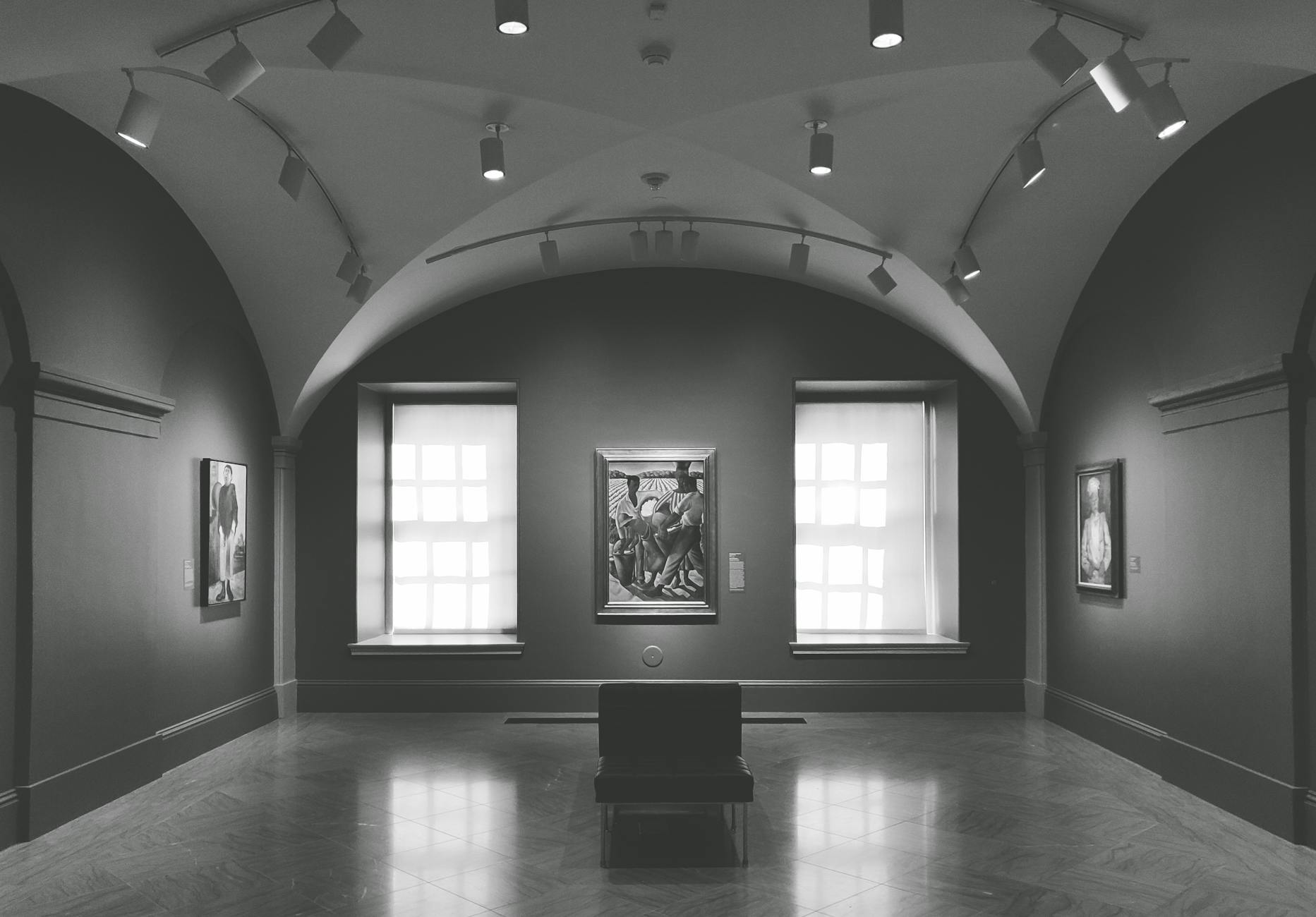
Photography is permitted throughout most of Kelvingrove Museum for personal, non-commercial use. Flash photography is generally discouraged to protect sensitive artworks and to avoid disturbing other visitors, but natural light in many of the galleries is excellent, particularly in the central hall where the large windows create beautiful illumination. The building’s stunning architecture makes it a favourite location for photographers, and the grand staircase, the organ, and the view from the upper balcony down into the main hall are all popular subjects. Tripods are generally not permitted in the galleries to avoid blocking pathways, but handheld photography and phone cameras are welcome.
Accessibility Information
Kelvingrove Museum is committed to being accessible to all visitors. The building is fully wheelchair accessible, with lifts providing access to all floors and gallery spaces. Wheelchair users can enter through the main entrance on Argyle Street, where there is level access. Accessible toilets are available on each floor. For visitors with visual impairments, audio guides are available and many displays include tactile elements. Hearing loops are installed in key areas including the central hall for organ recitals. The museum welcomes assistance dogs and registered companion dogs throughout the building. Large-print guides and information in alternative formats can be arranged by contacting the museum in advance.
Why Kelvingrove Museum Glasgow Should Be on Your Itinerary
Kelvingrove Art Gallery and Museum represents Glasgow at its very best — generous, surprising, world-class, and completely free. The building itself is a masterpiece of Victorian architecture, the collections rival those of museums many times its size, and the atmosphere is warm, welcoming, and utterly unpretentious. Whether you are an art lover, a history enthusiast, a family looking for a rainy-day activity, or simply a curious traveller wanting to understand what makes Glasgow tick, Kelvingrove Museum Glasgow should be at the very top of your list. It is, quite simply, one of the great museums of the world, and visiting it is one of the most rewarding experiences this extraordinary city has to offer.