Celtic Connections Glasgow is one of the world’s premier winter music festivals, transforming Scotland’s largest city into a vibrant celebration of Celtic, folk, roots, and world music every January. Held annually since 1994, this award-winning festival brings together more than a thousand musicians from over fifty countries, performing across twenty-five or more venues throughout Glasgow over eighteen extraordinary days. Whether you are a lifelong fan of traditional Scottish music or simply looking for a unique winter experience, Celtic Connections offers something for every taste — from intimate acoustic sessions in candlelit pubs to spectacular orchestral performances in Glasgow’s grandest concert halls.
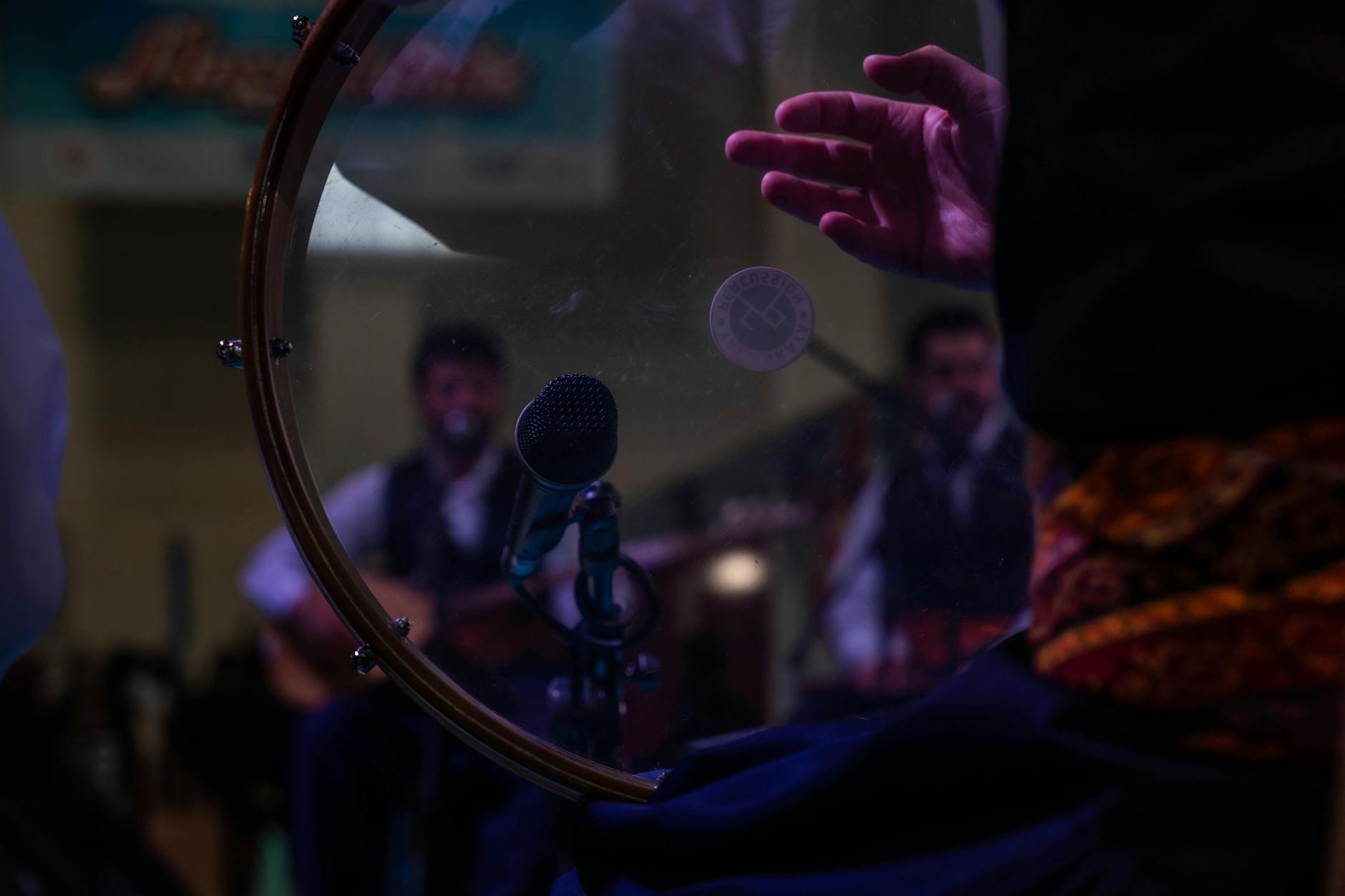
This comprehensive guide covers everything you need to know about attending Celtic Connections Glasgow, from the festival’s fascinating history and the types of events on offer to practical advice on booking tickets, choosing venues, finding accommodation, and making the most of your time in Glasgow during the festival. If you are planning a trip to Glasgow in January, Celtic Connections is reason enough to visit — and with Glasgow’s exceptional restaurant scene, legendary nightlife, and world-class cultural attractions, you will find plenty to do between concerts.
The History of Celtic Connections
Celtic Connections was founded in 1994 by Colin Hynd, then artistic director of the Glasgow Royal Concert Hall, as a way to fill the traditionally quiet post-Christmas period in Glasgow’s cultural calendar. The first festival was a modest affair — sixty-six events at a single venue, the Glasgow Royal Concert Hall — but it struck a chord with audiences hungry for live music during the dark Scottish winter. Hynd’s vision was to create a festival that celebrated the connections between Celtic music traditions and musical cultures from around the world, and this founding philosophy of musical dialogue and collaboration remains at the heart of Celtic Connections today.
From those humble beginnings, the festival has grown into one of the largest winter music festivals on the planet. By the early 2000s, Celtic Connections had expanded to multiple venues across Glasgow and was attracting internationally renowned artists alongside emerging talent. The festival now regularly features over three hundred events across its eighteen-day programme, with attendance figures exceeding one hundred and ten thousand. Artists who have graced the Celtic Connections stage over the years include some of the biggest names in folk, roots, and world music — from Alison Krauss and the Chieftains to Lau, Julie Fowlis, Karine Polwart, and countless others.
The festival has also played a significant role in Glasgow’s cultural identity, reinforcing the city’s reputation as one of the great music cities of the world. Celtic Connections is funded by Glasgow Life and Creative Scotland, with support from the Scottish Government and BBC Scotland, which broadcasts highlights and live sessions throughout the festival. The partnership with BBC Radio Scotland has been instrumental in bringing Celtic Connections to audiences who cannot attend in person, and the festival’s broadcasts remain some of the most popular programming on the station each year.
What to Expect at Celtic Connections
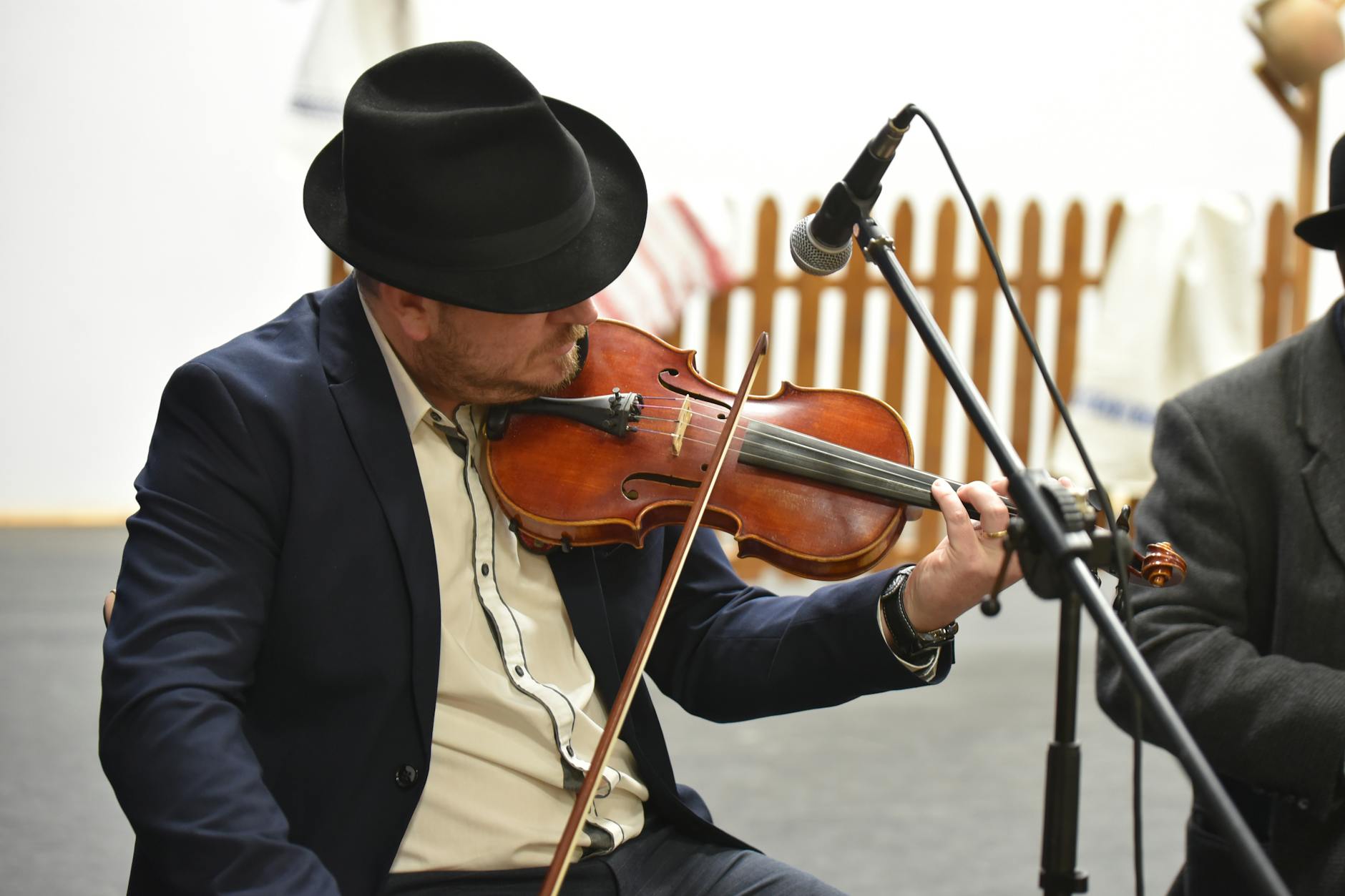
Celtic Connections is far more than a traditional music festival. While Scottish and Irish folk and traditional music remain at its core, the programme has expanded over the decades to encompass an extraordinary range of genres and artistic forms. You will find blues, soul, Americana, indie folk, acoustic, jazz, world music, electronic, and orchestral performances sitting comfortably alongside traditional ceilidhs, piping recitals, and Gaelic song. This genre-spanning approach is what makes Celtic Connections unique — it is a festival that celebrates musical connections across cultures and traditions, finding common ground between a Senegalese kora player and a Highland fiddler, or between a Nashville songwriter and a Glasgow folk singer.
The festival programme typically includes over three hundred individual events. Major headline concerts feature internationally renowned artists and take place at larger venues such as the Glasgow Royal Concert Hall and the Old Fruitmarket. Smaller, more intimate performances happen in venues like the Mitchell Theatre, the National Piping Centre, Tron Theatre, and various pubs and clubs across the city. Beyond the concerts, Celtic Connections offers a rich programme of workshops where you can learn instruments and techniques, talks and discussions with artists and music industry figures, album launches, and the popular Brew and a Blether series of informal conversations over tea and coffee.
One of the most beloved traditions of Celtic Connections is the Danny Kyle Open Stage, a nightly showcase for new and emerging talent that has launched the careers of many artists who have gone on to achieve international recognition. The open stage takes place every evening in the Glasgow Royal Concert Hall and is free to attend, making it an excellent introduction to the festival for newcomers. Another highlight is the Festival Club, which takes over a late-night venue after the main concerts finish, offering one-off collaborations and jam sessions that often run into the small hours. These spontaneous, unscripted performances are frequently cited by festival regulars as the most magical moments of Celtic Connections.
Key Celtic Connections Venues

Glasgow Royal Concert Hall
The Glasgow Royal Concert Hall on Sauchiehall Street is the flagship venue and spiritual home of Celtic Connections. This two-thousand-seat auditorium hosts the festival’s biggest headline concerts and is where the opening and closing ceremonies take place. The main auditorium has outstanding acoustics and sight lines, making it ideal for the larger-scale performances that Celtic Connections is known for. The smaller Strathclyde Suite within the building hosts more intimate performances and the nightly Danny Kyle Open Stage. The Concert Hall is centrally located at the top of Buchanan Street, easily accessible from all parts of the city.
Old Fruitmarket
The Old Fruitmarket on Albion Street in the Merchant City is one of Glasgow’s most atmospheric live music venues and a perennial favourite with Celtic Connections audiences. This stunning Victorian building — a former fruit and vegetable market with soaring iron columns, vaulted glass ceilings, and a mezzanine gallery — provides an unforgettable setting for concerts. The venue holds approximately eighteen hundred standing or one thousand seated, and its combination of historic character and excellent sound quality makes it ideal for everything from rousing ceilidh bands to contemplative acoustic sets. Some of the most memorable Celtic Connections performances take place here.
Barrowland Ballroom
The Barrowland Ballroom on Gallowgate is one of Glasgow’s most iconic music venues and regularly hosts Celtic Connections events. Famous for its sprung dance floor, neon sign, and electric atmosphere, the Barrowland has been a fixture of Glasgow’s live music scene since the 1930s. Celtic Connections concerts here tend to be the more energetic, dance-oriented events — think ceilidh bands, world music acts, and high-energy folk-rock groups. The venue holds around nineteen hundred people and the atmosphere on a packed Barrowland night is something every music lover should experience at least once.
Other Notable Venues
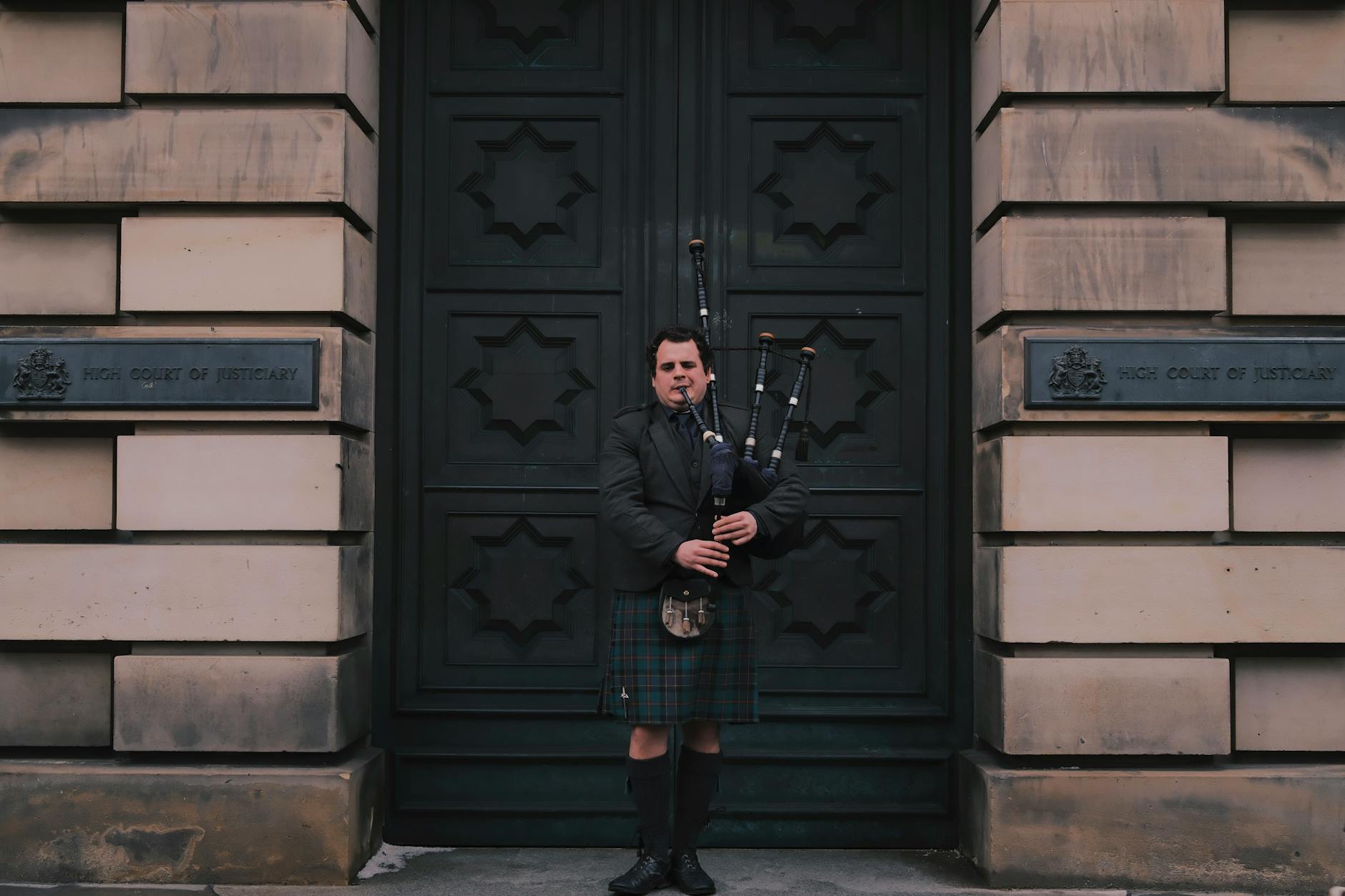
Celtic Connections utilises more than twenty-five venues across Glasgow, each bringing its own character to the festival. The National Piping Centre on McPhater Street is the natural home for piping performances and pipe band events. Oran Mor, a converted church at the top of Byres Road in the West End, hosts concerts in its beautifully decorated auditorium. Saint Luke’s, a former church in the East End, offers an intimate and acoustically superb setting. King Tut’s Wah Wah Hut on St Vincent Street — famous as the venue where Oasis were discovered — hosts some of the festival’s edgier, more contemporary folk and indie acts. The Citizens Theatre in the Gorbals has recently been added as an official Celtic Connections venue, expanding the festival’s reach into Glasgow’s Southside.
Types of Events at Celtic Connections
Headline Concerts
The headline concerts are the flagship events of Celtic Connections, featuring internationally renowned artists and bands performing in the larger venues. These are the shows that tend to sell out fastest, and tickets for the most anticipated acts can disappear within hours of going on sale. Headline concerts typically take place in the evenings and last between ninety minutes and two hours. Past headline acts have included some of the most celebrated names in folk, roots, and world music, and the programme always features a carefully curated mix of established legends and exciting contemporary artists.
Ceilidhs
The ceilidhs at Celtic Connections are among the most joyful and inclusive events in the programme. A ceilidh — pronounced “kay-lee” — is a traditional Scottish social dance, and you absolutely do not need any prior dance experience to take part. A caller guides the audience through each dance, and the atmosphere is relaxed, friendly, and enormously good fun. Celtic Connections ceilidhs typically take place at the Barrowland Ballroom or the Old Fruitmarket, where the spacious dance floors give everyone room to whirl, spin, and occasionally crash into each other with great good humour. These events are perfect for families, groups of friends, and solo travellers alike.
Workshops and Masterclasses
Celtic Connections offers an extensive programme of workshops and masterclasses for musicians of all abilities. These daytime sessions cover a wide range of instruments and techniques — fiddle, guitar, pipes, bodhán, Gaelic singing, songwriting, and more — and are taught by professional musicians who are performing at the festival. Workshops typically last between one and two hours and provide a unique opportunity to learn directly from some of the best musicians in their respective traditions. Even if you are not a musician, some workshops are designed for complete beginners and make a wonderful way to engage more deeply with the music you hear at the evening concerts.
Talks, Discussions, and the Merchant City Trad Trail
The Brew and a Blether series offers informal talks and discussions with artists, journalists, and music industry figures, providing fascinating insights into the stories behind the music. The Merchant City Trad Trail is another popular daytime activity — a guided walking tour that traces the history of Glasgow’s folk and roots music scene through the streets and venues of the Merchant City area. The trail combines music, storytelling, and local history, and is an excellent way to understand how deeply folk and traditional music are embedded in Glasgow’s cultural fabric. For those interested in the broader context of Glasgow’s music heritage, see our guide to Glasgow nightlife and live music.
How to Book Celtic Connections Tickets
Tickets for Celtic Connections go on general sale in mid-October, approximately three months before the festival begins. The official booking platform is the Celtic Connections website at celticconnections.com, where the full programme is published with event descriptions, artist biographies, and venue information. Tickets can also be purchased by phone or in person at the Glasgow Royal Concert Hall box office. Prices vary widely depending on the event — smaller daytime workshops and talks may cost between five and fifteen pounds, while major headline concerts at the Royal Concert Hall or Barrowland typically range from twenty to forty pounds. Some events, including the Danny Kyle Open Stage, are free.
The most popular headline concerts and ceilidhs sell out quickly, often within the first few days of tickets going on sale. If there are specific events you are determined to see, it is worth signing up for the Celtic Connections mailing list and booking as soon as tickets are released. The festival also offers a Celtic Rovers membership programme, which provides early access to tickets before the general sale — a worthwhile investment for serious festival-goers. If your preferred events are sold out, it is always worth checking the website closer to the date, as returned tickets sometimes become available. Alternatively, embrace the spirit of discovery and attend events by artists you have never heard of — some of the best Celtic Connections experiences come from stumbling upon unexpected musical gems.
Planning Your Celtic Connections Visit
When to Visit
Celtic Connections runs for approximately eighteen days from mid-January to early February. The festival typically opens on a Thursday evening and closes on a Sunday. Weekends are the busiest periods, with the most headline events and the greatest buzz around the city. Midweek evenings tend to be slightly quieter and can offer better ticket availability and a more relaxed atmosphere. If you can only attend for part of the festival, the opening weekend and the final weekend are usually the highlights, with the biggest names and the most anticipated events concentrated in these periods.
Accommodation
January is typically Glasgow’s quietest month for tourism, which means hotel availability during Celtic Connections is generally good and prices are reasonable compared to summer. However, the festival does attract visitors from across the UK and beyond, so booking accommodation in advance is still recommended, particularly for the opening and closing weekends. Glasgow’s city centre hotels offer the most convenient base, with easy walking access to the main venues. The area around Buchanan Street, George Square, and the Merchant City is ideal. For budget-conscious visitors, Glasgow has excellent hostels and guest houses, and the West End offers charming B&Bs within easy reach of the city centre by subway. For a full guide to where to stay, see our article on the best hotels in Glasgow.
Getting Around During the Festival
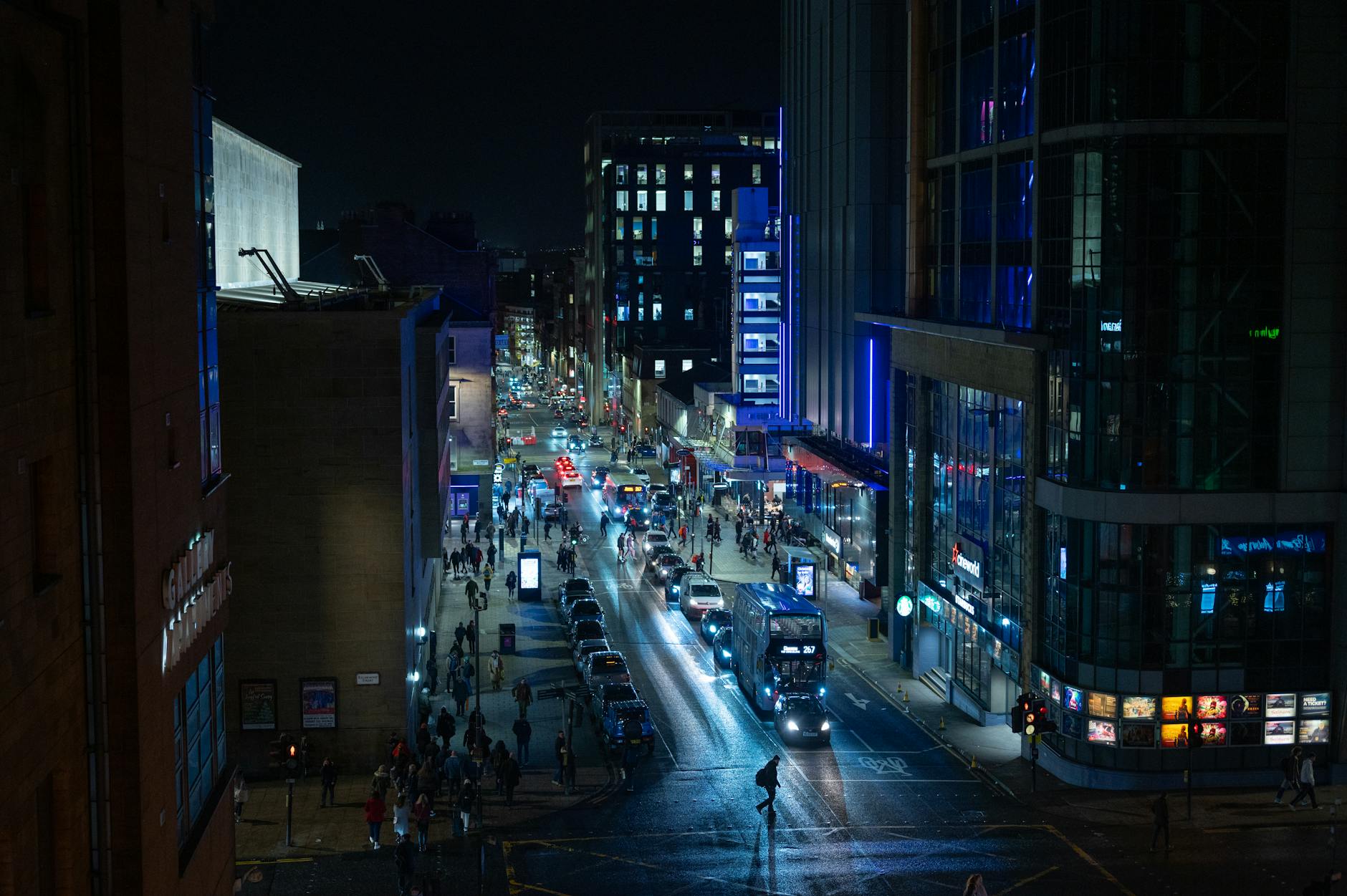
Glasgow’s compact city centre means that most Celtic Connections venues are within walking distance of each other. The Glasgow Royal Concert Hall, Old Fruitmarket, City Halls, King Tut’s, and many smaller venues are all located within a fifteen-minute walk of Buchanan Street. For venues slightly further afield — such as Oran Mor in the West End or Saint Luke’s in the East End — Glasgow’s subway, bus, and taxi services provide easy connections. Late-night transport can be more limited, so if you are attending the Festival Club or late-night events, plan your journey home in advance or keep a taxi app on your phone. For comprehensive information on getting around, see our Glasgow transport guide.
What to Wear and Practical Tips
January in Glasgow is cold, often wet, and the days are short — expect temperatures between zero and seven degrees Celsius and around seven hours of daylight. Dress in warm layers, bring a waterproof jacket, and wear comfortable shoes suitable for walking on wet pavements. If you are planning to attend a ceilidh, wear shoes you can dance in — avoid heels and anything that will not survive a vigorous Strip the Willow. Many venues are standing only, so comfortable footwear is essential for the evening concerts too.
Most Celtic Connections venues serve food and drink, and Glasgow’s city centre restaurants and cafes offer endless options for dining between events. January is a wonderful time to experience Glasgow’s famous warmth and hospitality — the city’s pubs, especially those in the Merchant City and West End, are at their most welcoming during the dark winter evenings, and you will often find impromptu music sessions taking place after the official festival events have finished. Cash is useful for smaller venues and buskers, though most places accept contactless card payments.
If you are attending multiple events across several days, pace yourself. Celtic Connections can be wonderfully immersive, but trying to cram in too many concerts without breaks will leave you exhausted. Build in time for a leisurely lunch, a wander through Glasgow’s shopping streets, or a visit to one of the city’s excellent museums between performances. The festival is a marathon, not a sprint — and some of the best memories come from the quieter moments between the music.
Beyond the Music: Glasgow in January
While Celtic Connections is reason enough to visit Glasgow in January, the city has much more to offer during the winter months. Glasgow’s museums and galleries — including Kelvingrove Art Gallery, the Riverside Museum, and the Gallery of Modern Art — provide warm, dry, and culturally enriching refuges on rainy days. The city’s shopping is among the best in the UK outside London, with the Style Mile along Buchanan Street, Argyle Street, and Sauchiehall Street offering everything from high-street brands to independent boutiques. And Glasgow’s restaurant scene, from Michelin-starred dining to legendary curry houses, provides the perfect complement to an evening of music.
For those looking to explore beyond the city, winter day trips from Glasgow offer their own special appeal. Loch Lomond and the Trossachs National Park are just an hour from the city and spectacularly beautiful in winter, with snow-dusted mountains reflected in still lochs. The historic town of Stirling, with its magnificent castle, is an easy train journey away. Even in January, Glasgow’s position as the gateway to the Scottish Highlands means there is always somewhere extraordinary to explore when the concerts are over.
Celtic Connections Glasgow is more than a music festival — it is a celebration of the power of music to connect people, cultures, and traditions across boundaries and borders. From the roar of a packed Barrowland ceilidh to the hushed intensity of a solo fiddle performance in a candlelit church, from workshops where complete beginners pick up an instrument for the first time to late-night jam sessions where legends trade tunes until dawn, Celtic Connections captures everything that makes Glasgow one of the world’s great music cities. If you have never attended, put it on your calendar for next January. If you have been before, you already know — you will be back.